
Why Home Orientation Matters When Building in Florida
Most buyers fall in love with finishes, fixtures and floor plans, yet overlook what shapes daily life in North Central Florida: how the home sits on the land. Home orientation is the relationship between your house and the sun, breezes and surroundings. It influences comfort, cooling costs and how often you actually use your porch or pool. At Red Door Homes of Florida, we build real, site-built homes on customer land and guide families through a transparent, low-stress process that keeps budgets predictable and choices fun. Our Customazement experience puts you in control with pre-priced options, fixed pricing and a straightforward path from plan to move-in, so the home you design fits how you live in Gainesville and the surrounding region.
Understanding Home Orientation in Florida
Think of orientation as aiming the home so the sun works for you, not against you. Air conditioning is essential here, but it cannot undo harsh afternoon sun pouring through the wrong walls or windows. In Florida’s climate, east and west exposures can spike indoor temperatures and glare, while thoughtful shading, window placement and airflow strategies reduce the load your AC must handle.
How the Sun Impacts Your Home in the Sunshine State

East vs. West Facing Windows
Morning sun from the east is short lived and softer. Afternoon sun from the west stays hotter and lower in the sky, which drives heat gain and glare that make rooms harder to cool. Overhangs struggle to block that low angle light, so exterior shading or trees become critical on west walls.
South and North Facing Advantages
South exposures offer steady daylight with manageable heat when you combine the right glass and shading. North exposures are naturally cooler and consistent, which suits bedrooms and utility spaces. Studies of hot-climate window design show homes with predominantly north-oriented glazing can use less energy than those with heavier east or west glass, all else equal.
The Lanai Factor
If your lanai or patio faces west, the low afternoon sun can make it too bright and too hot right when you want to relax. Orienting outdoor living to the north or east increases shade and comfort through most of the day, especially when paired with exterior shading that blocks the sun before it reaches the glass.
Make Outdoor Living a Daily Reality
Florida homeowners expect to use patios, decks and pools year-round. A backyard that bakes every afternoon goes unused. North and east orientations keep more predictable shade, which improves comfort and cuts glare on the water. Layer simple improvements like pergolas, deeper roof overhangs and well-placed shade trees. University of Florida experts note that shading east and west walls with landscape strategies reduces heat flow into the home, so your AC runs less and outdoor areas feel more inviting.
Save Energy With Smarter Home Positioning
Small choices add up. When possible, place the home so its longer walls run east to west, then limit large windows on the east and west sides. Use deeper overhangs where they work best and combine them with exterior shading to tame summer sun. Florida Solar Energy Center guidance shows that overhang sizing and exterior shading can meaningfully reduce solar gain, especially when the sun is high, while minimizing west glass helps during late day peaks.
Thinking Ahead About Solar Panels

If you plan to add solar later, plan your roof now. Clear, unobstructed south-facing roof planes perform best in the northern hemisphere, and keeping vents or equipment off those planes preserves valuable space and output. NREL’s Solar Ready Buildings guide recommends allocating south roof area and simplifying rooflines so future arrays fit cleanly and work efficiently.
Let the Breeze In: Using Natural Cross-Ventilation
On milder days you can lower cooling needs by letting breezes move through the house. Place operable windows and doors on opposite sides of living spaces so air can cross the room, and use interior layouts that don’t block the path. DOE Energy Saver explains how natural ventilation reduces cooling energy when wind and the stack effect are used intentionally.
Choosing the Right Lot for Orientation
Before you buy land, check how the sun will move across the site. Use a phone compass or satellite view to see where north is and where the backyard will face. Visit at different times of day to note shade, glare and privacy. Make sure easements, utilities and access won’t force you into an orientation that works against comfort or energy goals.
Why Your Florida Builder’s Expertise Matters
Orientation is easy to overlook, yet expensive to fix. A misaligned plan can mean retrofits, higher energy bills and outdoor spaces you avoid. A thoughtful builder will evaluate your land, your daily routines and your comfort goals, then align layout, glass, shading and roof design with the climate and code. Florida’s energy code sets performance targets for windows and doors, so selecting rated products and verifying labels is part of getting orientation right.
A Well-Oriented Home Is a Florida Dream Come True
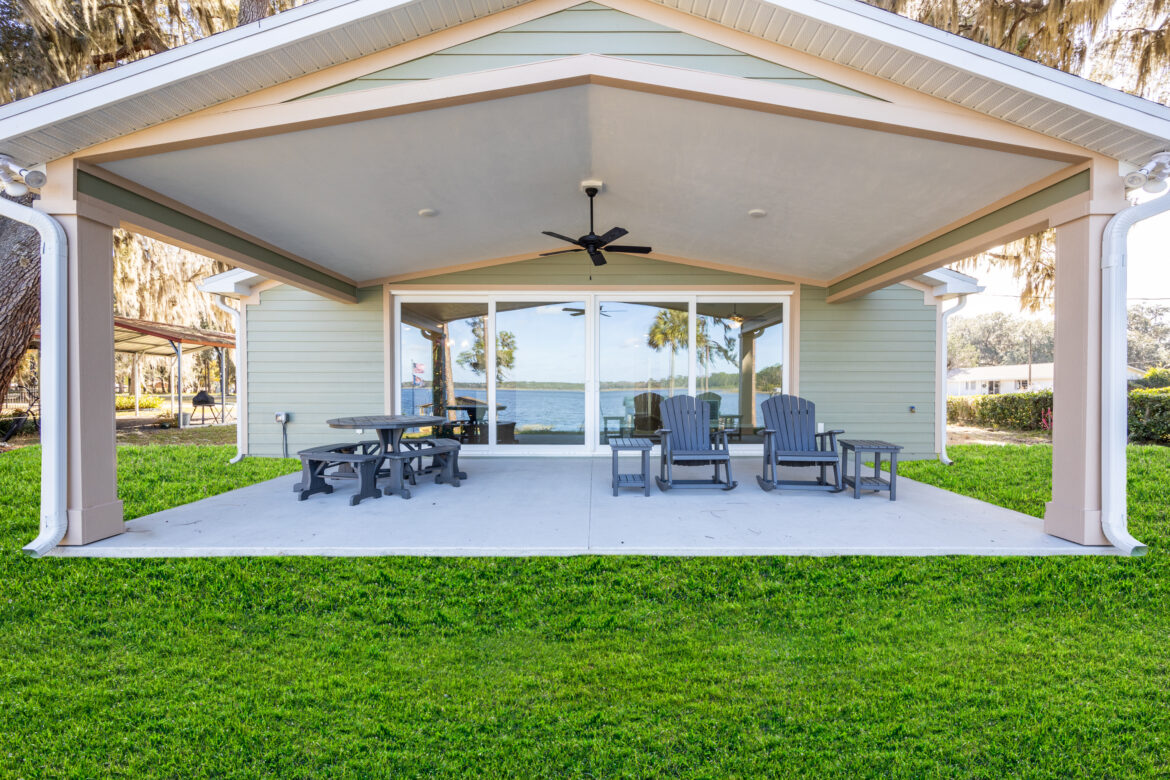
The way your home faces affects how cool it feels in July, how calm your great room looks at sunset and how often you step outside after work. Get orientation right and you lower AC use, improve daylight and make outdoor living part of everyday life in Gainesville and beyond. Get it wrong and you fight glare, heat and higher bills for years.
Red Door’s Tips for Orientation Done Right
We aim long walls east to west when the lot allows, keep big glass off the west side, add deeper overhangs where they truly shade summer sun, preserve clean roof planes for future solar, set lanais and pools where shade improves afternoon comfort and place low-use spaces like garages or closets on the hotter west side. We confirm the plan on the actual lot before finalizing so what looks great on paper works even better in the Florida sun. Guidance from FSEC and DOE on window orientation, shading and coverings backs these choices.
Build Smart. Live Better. Plan With Red Door.
Ready to build on your own land in Florida? Our team will help you choose the right plan, the right orientation and the right location so your home feels good, looks great and runs efficiently year-round.
FAQs
How do I know which way a lot or house faces?
Use your phone’s compass or Google Maps to find north, then note which way the front, main living areas and backyard face. During planning, we walk you through this step and confirm it on site.
Can orientation really affect my energy bills?
Yes. Limiting east and west heat gain, adding effective exterior shade and selecting appropriate glass reduces cooling load and AC runtime. DOE and FSEC resources explain why east and west exposures are the toughest and how shading helps.
Why does orientation matter so much in Florida?
Florida’s intense sun, high humidity and long cooling season mean room comfort, daylight and energy spend depend on how your home meets the sun. North and south exposures are easier to manage, while west is the hottest and most glaring.
Can Red Door Homes help me choose the right orientation?
Yes. We specialize in building on your land, and we fold orientation into land selection, floor plan choices and option pricing so your home aligns with how you live.


